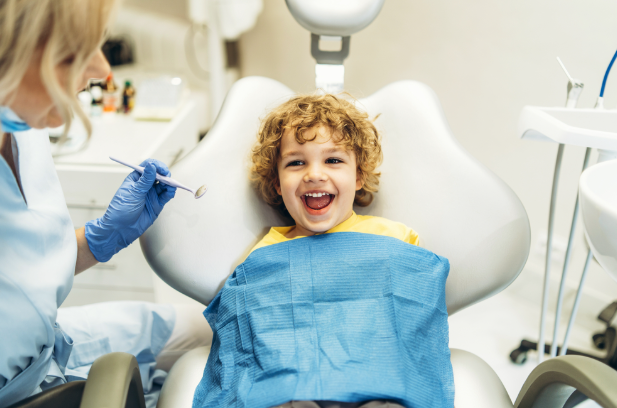
A dental visit can stir up fear in a child before the door even opens. The bright lights, new faces, and strange tools can feel harsh and cold. A familiar setting changes that. When your child recognizes the waiting room, the colors on the walls, and the smiling staff, the tension in their shoulders eases. Trust starts to grow. Each visit feels less like a threat and more like a routine stop. This comfort matters for every child, from a toddler at a first checkup to a teen asking about dentures in Buffalo Grove for a grandparent. A known space helps your child sit still, listen, and share questions. It also helps you feel less on edge. A familiar dental home does not just treat teeth. It shapes how your child sees care, safety, and health for many years.
Why familiarity lowers fear
Children fear what feels unknown. A new office, new rules, and new sounds can trigger worry. Your child may think of pain, shots, or separation from you. A familiar office removes many of these shocks.
Over time, your child learns three simple facts. The staff treats them with respect. The tools rarely hurt. The visit ends and life goes on. These clear lessons are quite frightening. They also protect your child from avoiding care as they grow older.
Research from the National Institutes of Health links dental fear in childhood to missed visits and worse oral health. A familiar setting is one of the strongest shields against that pattern.
How a familiar office supports better behavior
A child who knows what to expect often follows directions. This helps the visit move fast and stay calm. A known routine prepares your child to:
- Walk to the chair without a struggle
- Open their mouth when asked
- Raise a hand if they feel pain
Each smooth visit builds a memory of success. Your child learns that they can handle the sounds, the taste of polish, and the feel of gloves. That sense of control cuts down tears and outbursts. It also lowers your stress in the car before and after the visit.
Emotional comfort for you and your child
Your child reads your face and your voice. If you feel tense in a new office, your child senses it and holds on to your fear. A familiar dental home gives you comfort as well.
Over time, you know the staff, the payment process, and the layout. You know who explains things in simple terms. You also know who helps your child laugh or take a breath. This shared trust lets you stay calm. Your calm tone tells your child that they are safe.
The Centers for Disease Control and Prevention stresses that early and regular dental visits support long-term health. Familiar care makes those regular visits more likely.
What children notice in a familiar setting
Children notice small things. These details can comfort or unsettle them. A familiar office often offers:
- The same front desk staff who greet your child by name
- The same toys or books in the waiting room
- The same ceiling art above the chair
These steady cues send a clear message. Nothing bad happened last time. Nothing bad will happen now. That message has more power than any long speech about being brave.
See also: What Are the Health Benefits of Wearing a Smartwatch?
Routine visits in one place build healthy habits
When you use one dental home for checkups, cleanings, and small repairs, your child learns that care is part of life. It is not a rare event. It is as expected as school or bedtime.
Over time, your child learns to:
- Brush twice a day without a fight
- Floss with help as teeth touch
- Tell you early when something feels wrong
These habits lower the chance of cavities, infections, or dental pain. They also mean fewer urgent visits and less missed school.
Familiar vs new dental office for children
| Feature | Familiar Dental Office | New Dental Office |
|---|---|---|
| Child’s stress level | Lower. Child knows staff and routine. | Higher. Many unknowns and surprises. |
| Cooperation in chair | Better. Clear memory of past visits. | Less steady. More refusal or tears. |
| Length of visit | Often shorter. Steps move smoothly. | Often longer. Extra time for comfort. |
| Parent comfort | Higher. Trust in staff and process. | Lower. Need to learn new rules. |
| Long term visit pattern | More steady. Regular checkups. | More gaps. Higher risk of missed care. |
How to build that sense of familiarity
You can help your child feel at home at the dentist. Simple steps work best.
Before the first visit:
- Read a short picture book about going to the dentist
- Play pretend dentist with a stuffed animal
- Drive by the office and point it out
During the visit:
- Use calm, clear words about what will happen
- Stay with your child if the office allows it
- Ask the dentist to name each tool in child-friendly terms
After the visit:
- Praise your child for specific actions such as sitting still
- Mark the next visit on a calendar where your child can see it
- Keep your promises about treats or rewards
When a change of office is needed
Sometimes you must change offices. You may move, change insurance, or need a dentist closer to home. You can still protect your child.
Here are three steps to ease the switch.
- Ask the old office for records so the story of your child’s care follows you.
- Visit the new office once just to meet staff and see the rooms.
- Tell the new team about your child’s fears, triggers, and past wins.
Your goal is to rebuild that sense of “I know this place” as fast as possible.
Helping your child feel safe for life
A familiar dental home does more than fix teeth. It teaches your child that care can feel safe. It shows them that adults can listen and explain. It also proves that fear can fade with practice.
Each visit in a known setting writes a clear message in your child’s mind. “My body matters. My questions matter. My health is worth time.” That message follows them into adulthood. It shapes how soon they seek help when something hurts. It also shapes how they protect their own children one day.